Septic Tank Pumping in Asheville, NC
Regular pumping is the single most effective thing you can do for a septic system’s lifespan. We pull the numbers from your last service, check the tank’s actual condition, and get solids out before they become a drain field problem.
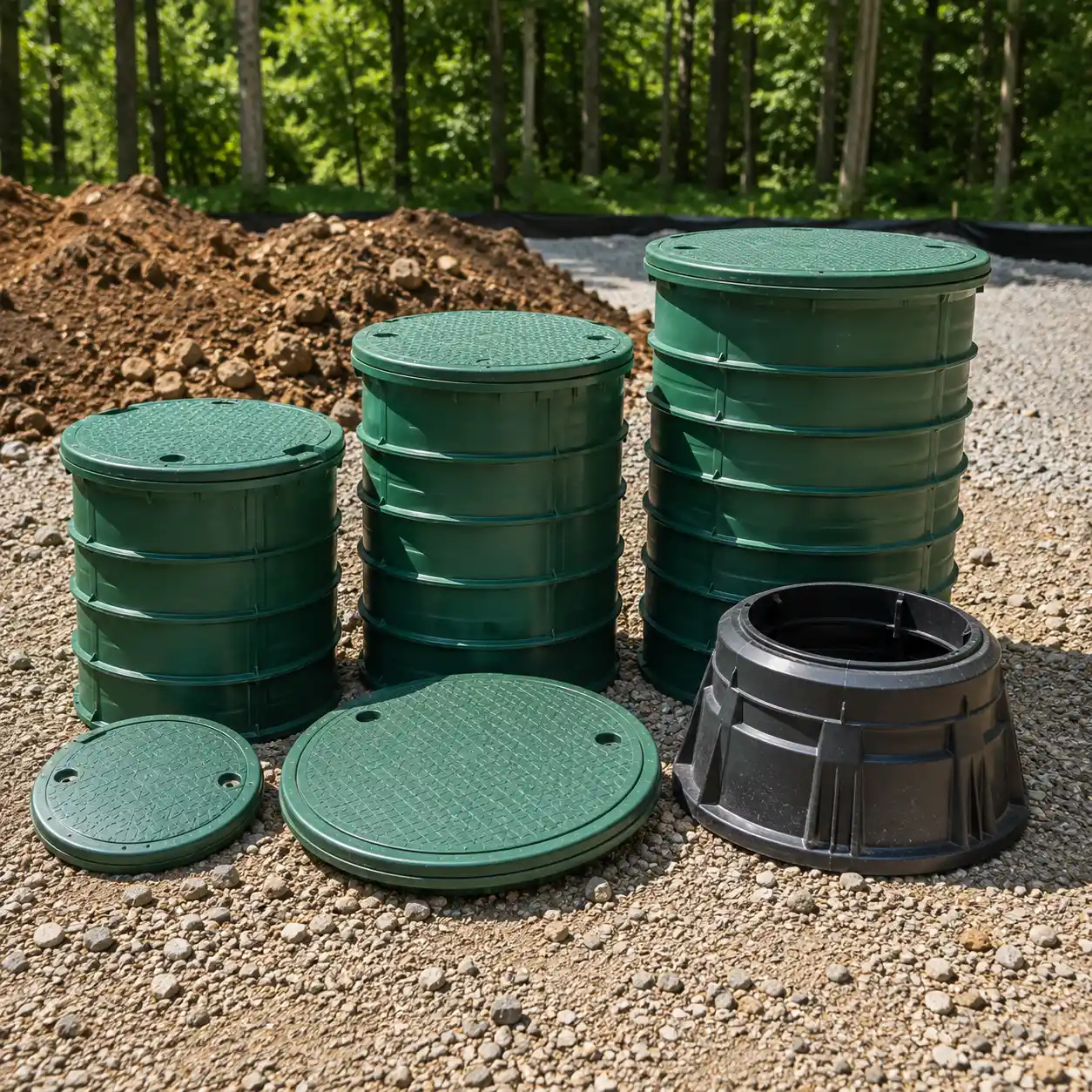
Riser Installation Available
Service Records Kept on File
Schedule a Pumping
Why Pumping Is the One Maintenance Task That Actually Matters
Every time water leaves your house, it carries solids into the tank, where they settle into two layers — sludge on the bottom made of heavier waste, and a scum layer on top made mostly of fats and oils. Bacteria break some of it down over time, but not all of it, and whatever’s left just keeps accumulating. Pumping removes both layers before they build up enough to interfere with how the tank actually functions.
Once sludge and scum get thick enough, there isn’t enough clear space left in the tank for wastewater to properly separate before it flows out to the drain field. Solids start washing into the field lines themselves, and once that happens, you’re usually looking at a drain field repair — a bigger, more expensive job than pumping ever would have been.
Three to five years is the standard interval, but on a lot of Buncombe County properties we adjust that based on household size, whether there’s a garbage disposal in regular use, and whether the home is a full-time residence or a vacation property that sees occasional heavy use. We measure tank condition at every visit and can tell you honestly whether you’re ahead of or behind schedule.
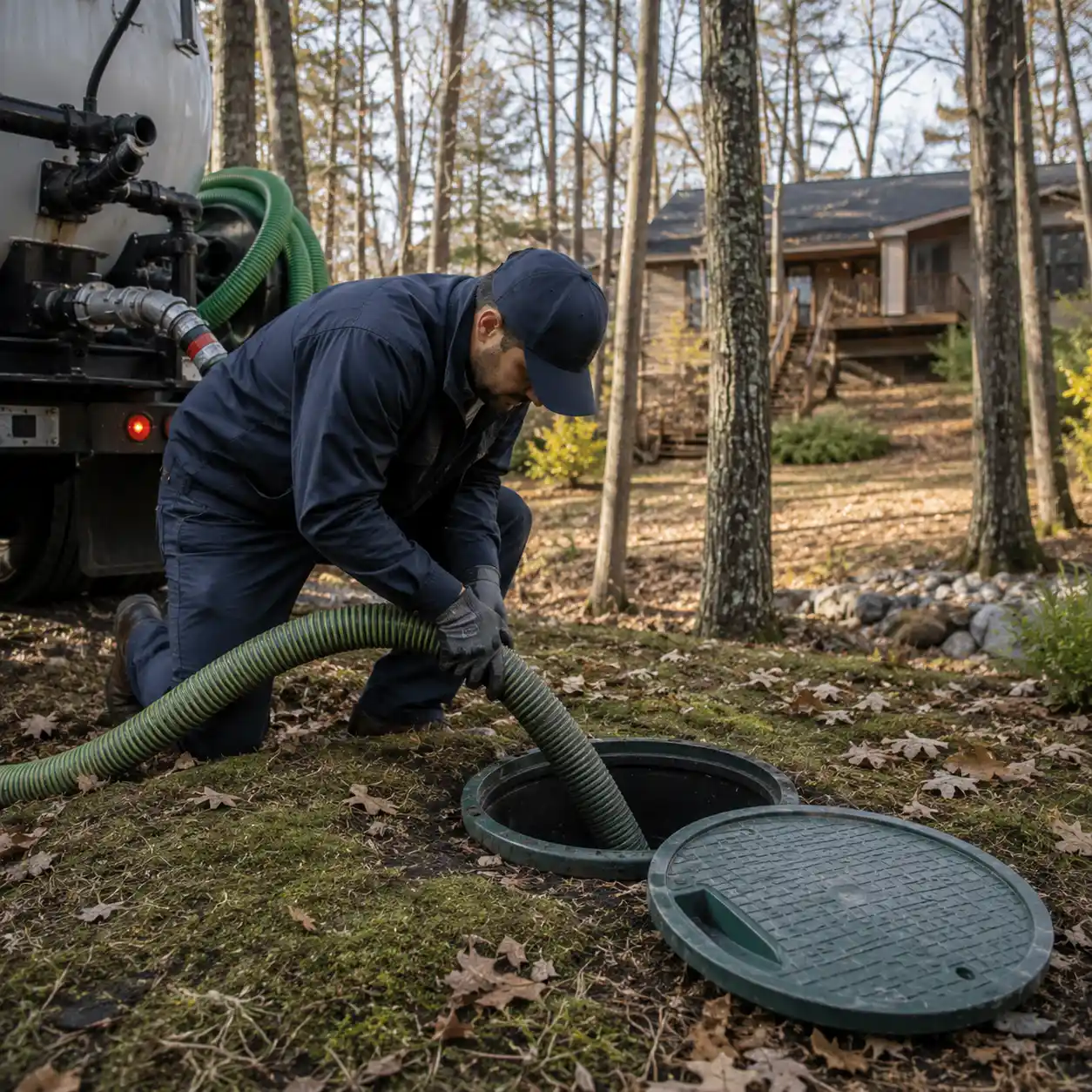
What Happens During a Pumping Visit
A straightforward process, start to finish.
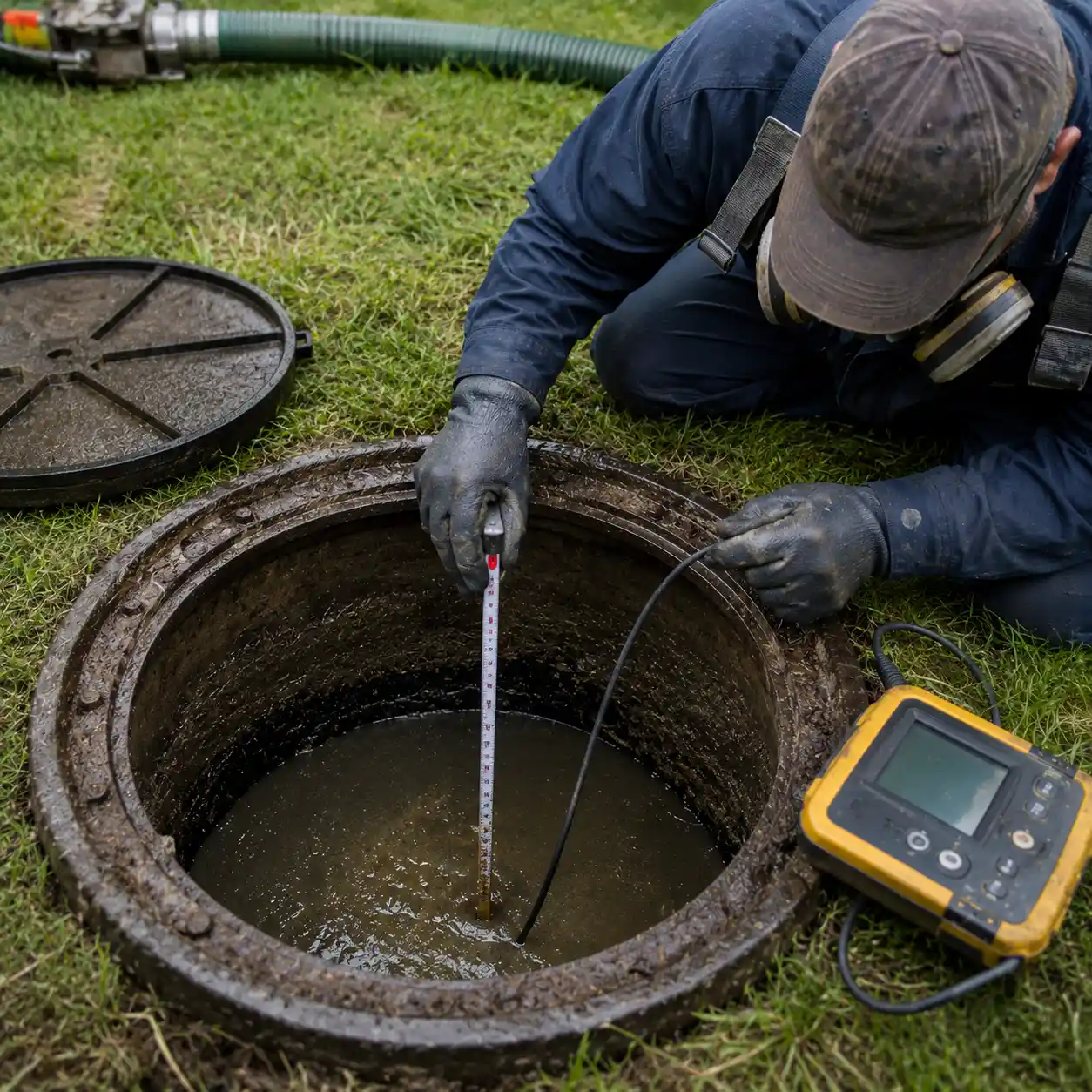
Signs You’re Overdue for a Pumping
Most tanks don’t announce they need pumping until something’s already gone wrong, which is why sticking to an interval matters more than waiting on symptoms. Still, watch for:
- Slow drains in more than one fixture at the same time
- Gurgling sounds in pipes after flushing or running water
- Standing water or a soggy patch near the tank or drain field
- A sewage odor outside, especially near the tank lid
- Sewage backing up into a tub, shower, or floor drain
If you’re seeing any of these, especially a backup, get it looked at before it happens again — once a backup’s occurred, it tends to repeat until the underlying cause is actually addressed.
Booking a Pumping, Start to Finish
You Request Service
Fill out the form with your address and anything you’re noticing.
We Confirm Access
We ask about tank location if known, or plan extra time to locate it if not.
We Pump On-Site
Most visits take 30 to 60 minutes depending on tank access and how much has accumulated.
You Get the Rundown
We tell you what we found, log it for next time, and flag anything worth a closer look.
General Pumping Frequency Guidelines
These are starting points, not guarantees — your actual usage matters more than any table.
Garbage disposal use, water softeners, and hot tubs all add volume that can shorten these intervals. We measure your specific tank at every visit rather than going by table numbers alone.
Commercial Pumping for Multi-Unit and Business Properties
Commercial septic systems — apartment buildings, small offices, roadside businesses along routes like Highway 19 or Highway 213 — see more consistent, higher-volume use than a typical single-family home, which usually means a shorter pumping interval and a larger tank to begin with.
We work with property managers and business owners to set a schedule that doesn’t rely on someone noticing a problem first. A missed pump-out at a commercial property tends to cause a bigger disruption than at a house — a backed-up restroom during business hours isn’t something you can put off.
If your business runs a kitchen, you likely need grease trap service in addition to standard tank pumping — that’s handled separately, since fats and oils need their own maintenance schedule.
Pumping Questions We Hear Often
If it’s been more than five years, or you’re seeing slow drains or odors, it’s worth checking. We can also just measure the tank on a visit and tell you honestly whether it’s due.
Not necessarily, as long as we have access to the tank location and a way to reach you with questions. Plenty of customers just leave a gate unlocked or point us to the spot beforehand.
It happens on older properties with no records. We use probing and knowledge of typical placement for the home’s age, and in rare cases may need to dig a bit more than usual — we’ll tell you before that adds to the cost.
If the tank’s easily accessible, no. If we have to dig to find or reach the lid, we backfill and can reseed the disturbed area, though some settling is normal over the following weeks.
Yes — a lot of customers combine the two, especially ahead of a real estate transaction. Mention it when you book and we’ll plan the visit accordingly.
Pumping Service Across Buncombe and Neighboring Counties
We run regular pumping routes through Buncombe County and take scheduled visits in the nearby parts of Henderson, Madison, and Haywood counties.
If you’re near a county line, ask — we’ll tell you plainly whether your address fits our normal route.
- Asheville and all of Buncombe County
- Fletcher — Henderson County
- Mars Hill — Madison County
- Waynesville — Haywood County
Other Septic Services We Offer
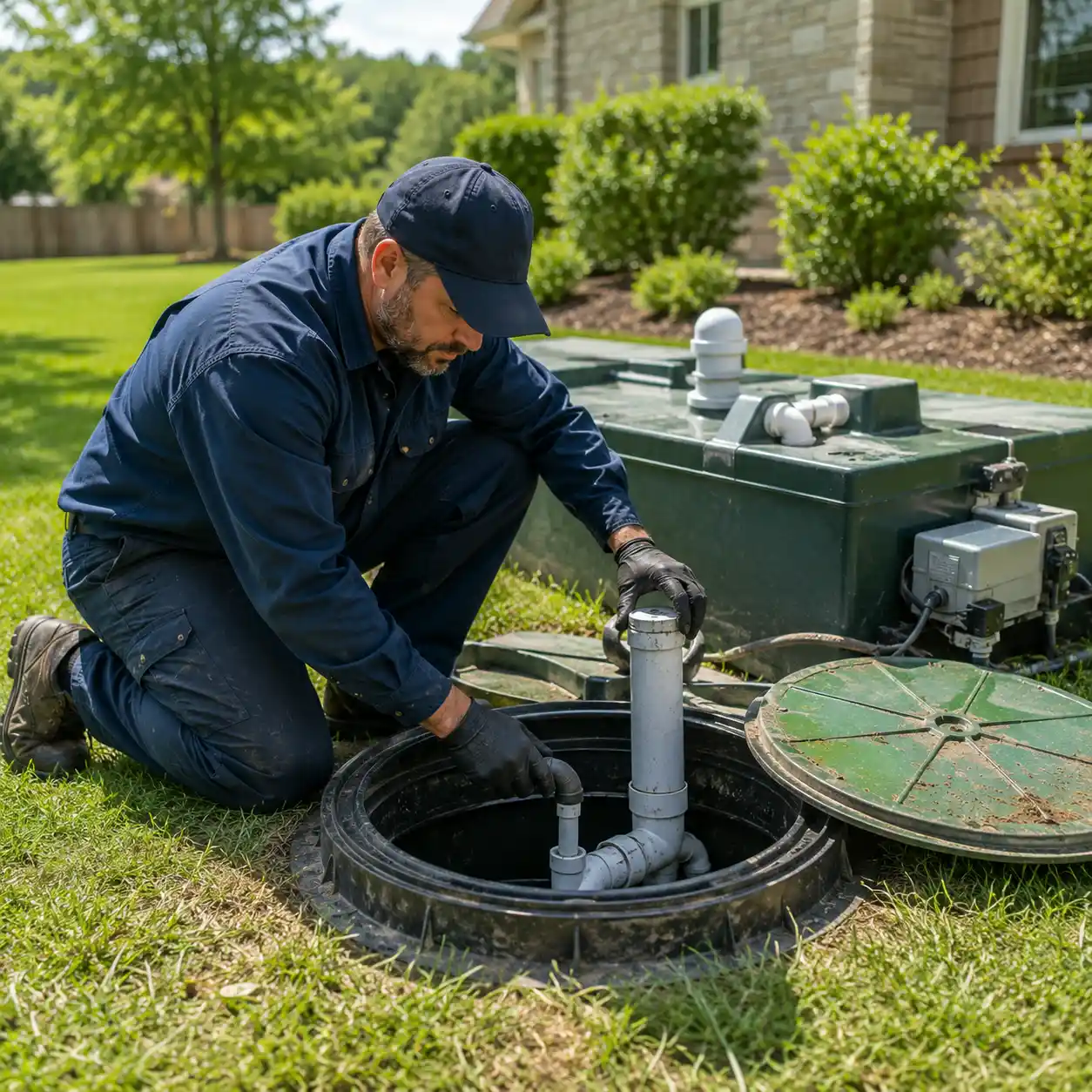
Septic Inspections
Combine a tank inspection with your next pumping, especially ahead of a real estate transaction.
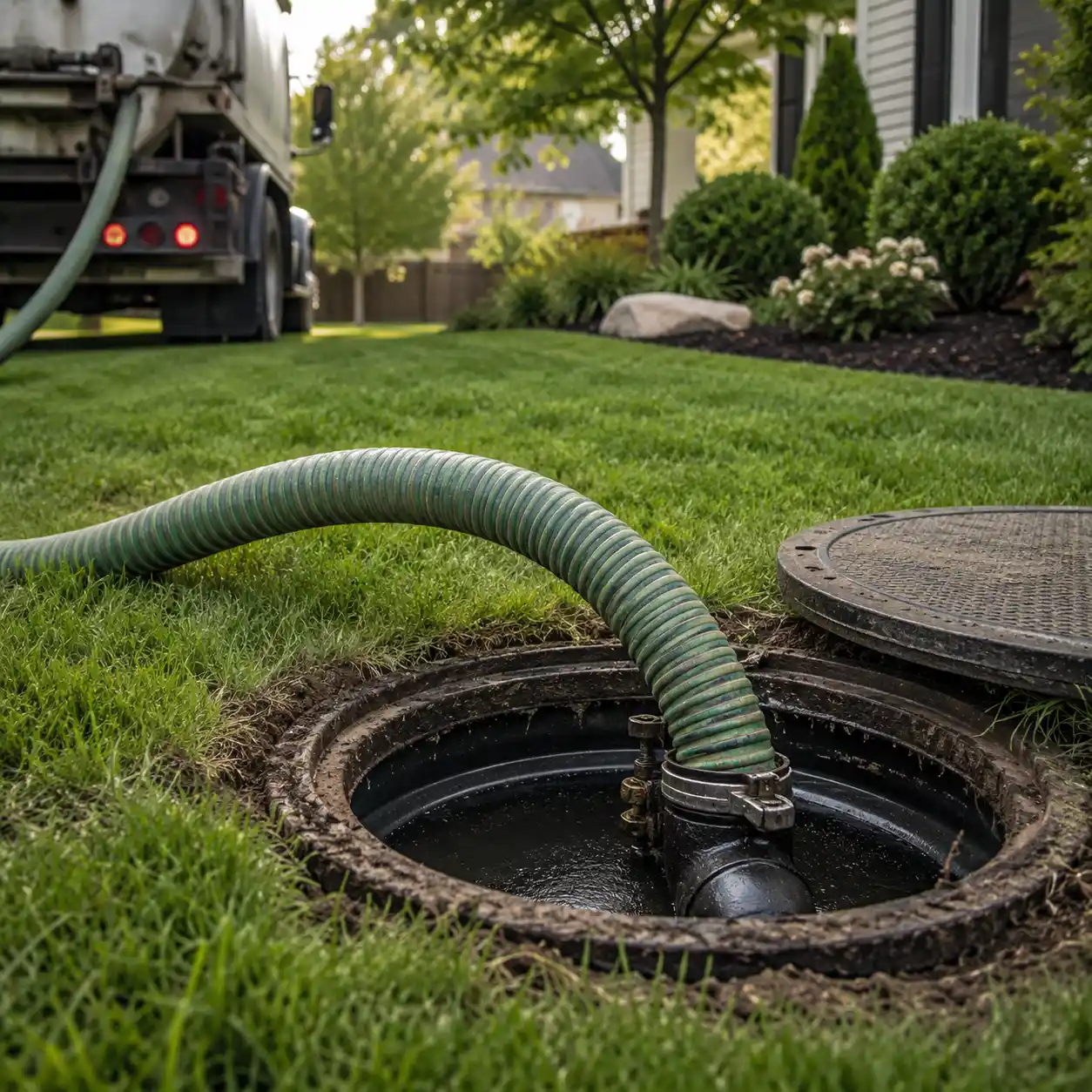
Septic Cleaning
For tanks that need more than a standard pump-out after years of neglect.
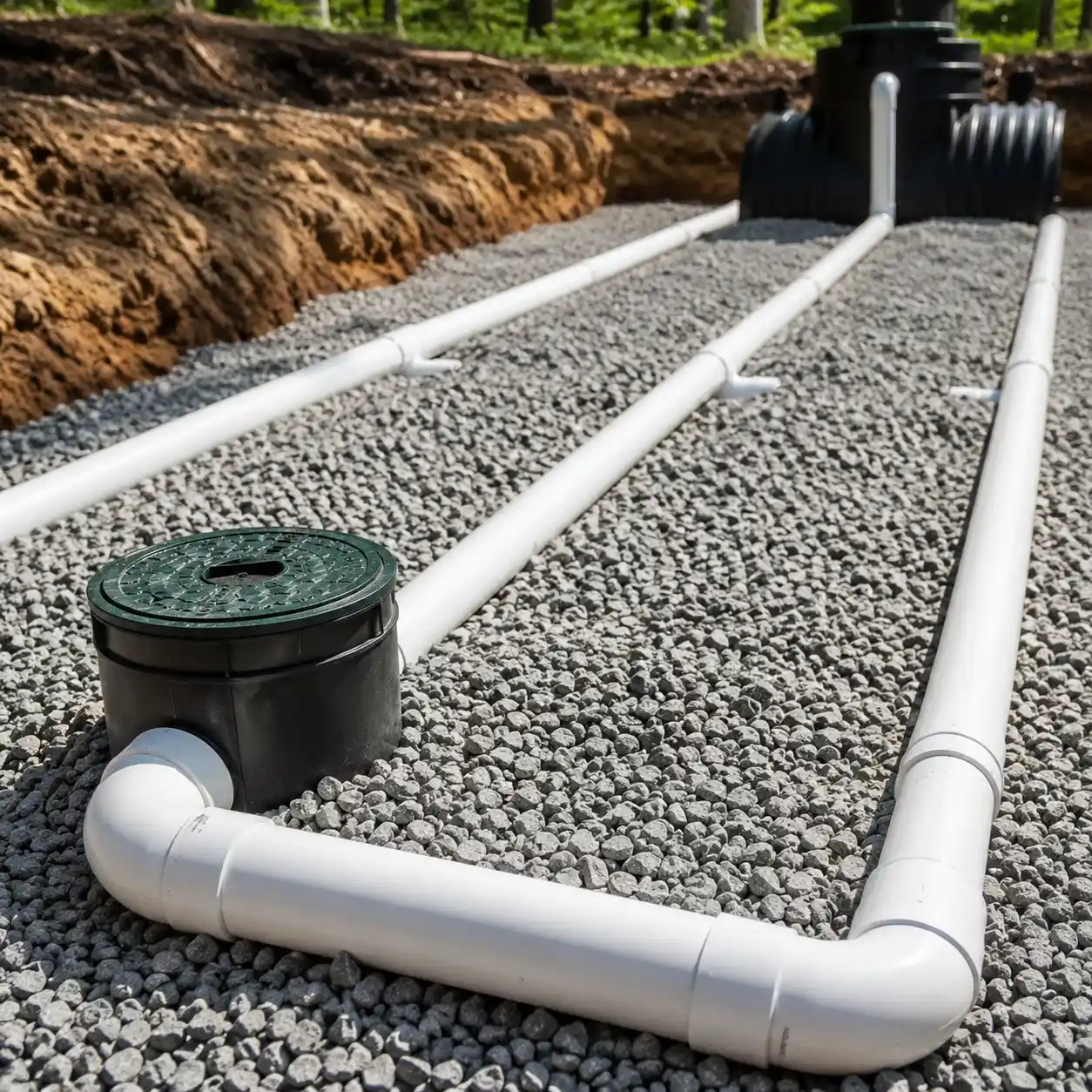
Drain Field Services
If pumping alone doesn’t solve a slow drain or wet yard, the drain field may need a look.
Schedule Your Next Pumping
Whether you’re on a routine schedule or catching up after a few years, fill out the form and we’ll get you booked.
- Tank locating & access
- Full pump-out & disposal
- Baffle & outlet inspection
- Service record for your files
- Riser installation on request
- Scheduling reminders available
Tell Us About Your Needs
We’ll reach out to confirm your appointment details.