Septic Inspections in Asheville, NC
Whether you’re buying, selling, or just want an honest read on your system’s condition, we check the tank and drain field thoroughly and put it in writing.
Closing-Deadline Friendly
Tank Location Included
Schedule an Inspection
What a Real Septic Inspection Actually Evaluates
A proper inspection goes further than opening the lid and glancing inside. We measure sludge and scum levels against the tank’s rated capacity, check inlet and outlet baffles for damage or blockage, and confirm the tank isn’t leaking at the seams. On the drain field side, we look for surfacing effluent, saturated soil, and signs of root intrusion into the lines.
Skipping a real inspection — or getting a cursory look from a general home inspector who doesn’t open the tank — means a failing system can go unnoticed until it’s actively backing up, or until a buyer discovers it after closing, which tends to turn into a far more expensive argument than a proper inspection would have prevented.
For real estate transactions in Buncombe County, we recommend scheduling an inspection at least two to three weeks before your closing date. Locating an undocumented tank, or scheduling a repair if one’s needed, both take time you don’t want to be racing against a deadline for.
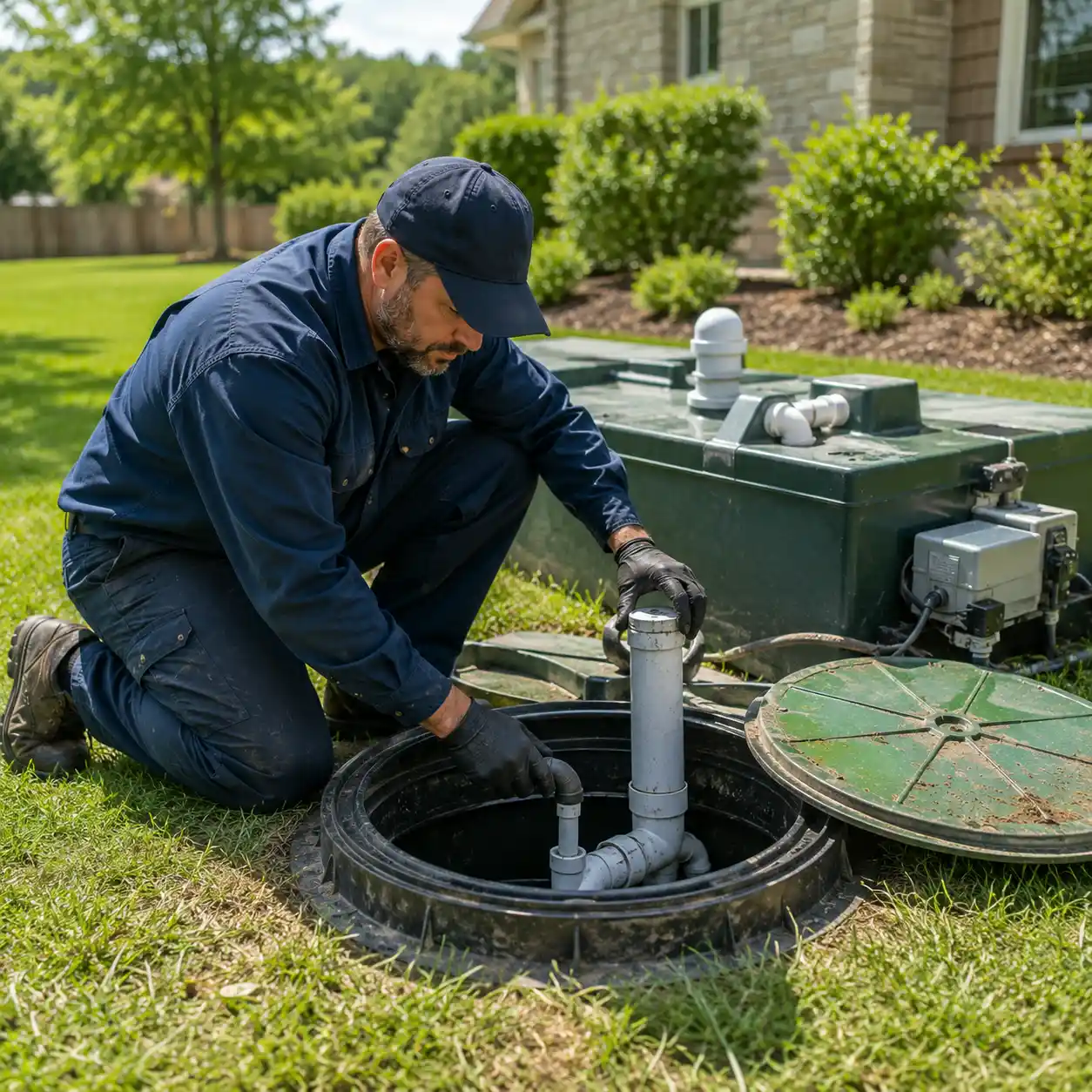
What’s Covered in a Standard Inspection
A thorough check of both the tank and the drain field.
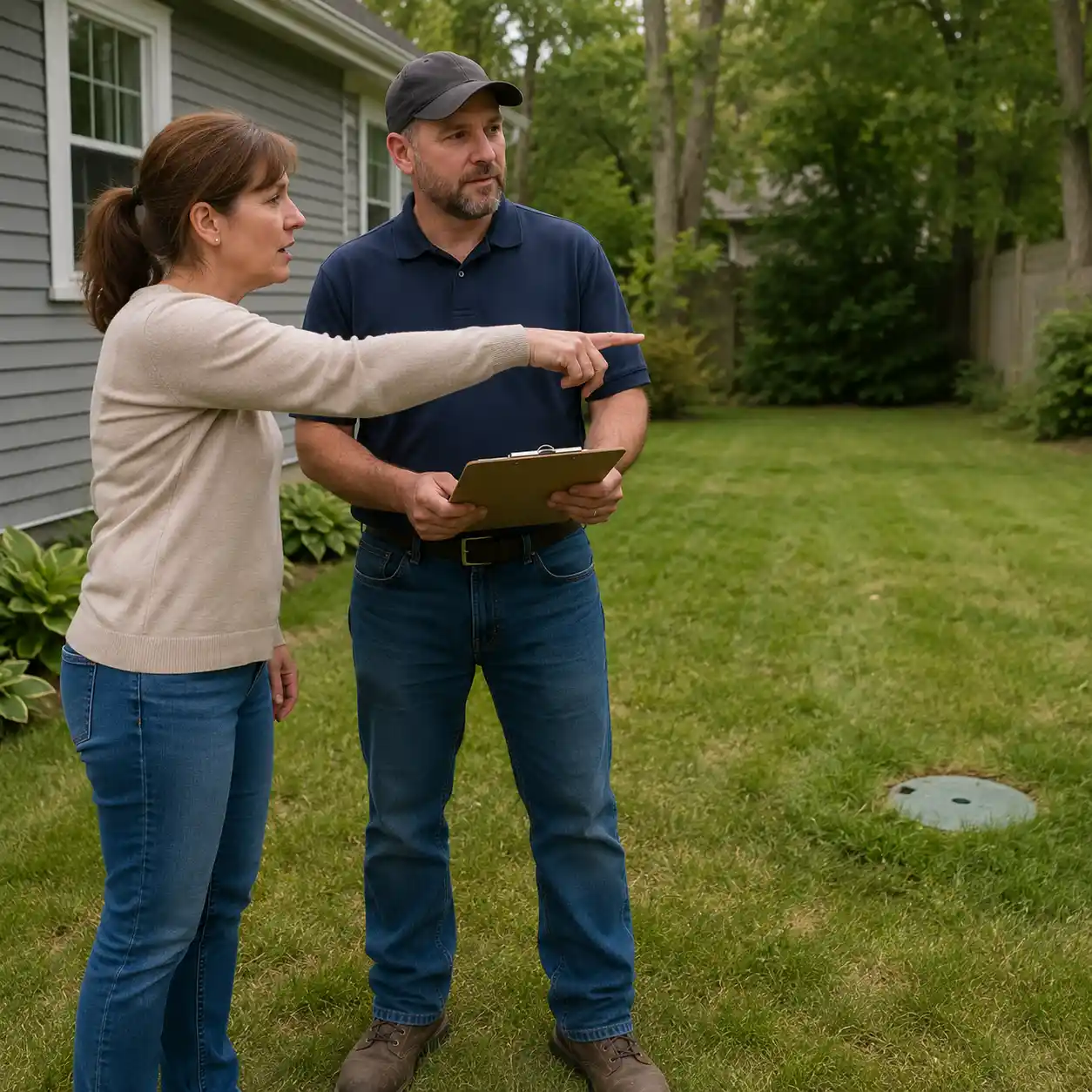
When You Should Get an Inspection, Even Outside a Sale
Inspections aren’t only for real estate deals. Consider one if:
- You’re buying a home and the seller can’t produce inspection or permit records
- Your system is more than 15–20 years old and has never been formally evaluated
- You’ve noticed slow drains or odors but pumping didn’t resolve them
- You’re planning a renovation that adds bedrooms or bathrooms
- You’re considering a well-and-septic property you haven’t seen in person
A one-time inspection is inexpensive compared to what an undiagnosed problem can cost down the line — especially on a system you’re about to own.
Booking an Inspection, Start to Finish
You Schedule the Visit
Give us a target date, especially if it’s tied to a closing deadline.
We Locate the System
Using records or probing if the tank and field location aren’t documented.
We Inspect Tank & Field
Plan on 60 to 90 minutes for a standard visit, longer if the tank needs to be located first.
You Get a Written Report
Delivered within a couple of business days, in time for most closing timelines.
What Affects How Long an Inspection Takes
A few property specifics move the timeline more than anything else: whether tank location is documented, how deep the tank is buried, ground conditions, and whether the drain field is easy to walk and assess visually. Homes with risers already installed and known tank locations are usually the fastest visits; undocumented systems on steep or heavily landscaped lots take longer.
If your closing date is tight, mention it when you book — we’ll prioritize accordingly.
Inspections for Commercial and Multi-Unit Properties
Commercial property transactions — small offices, roadside businesses, multi-unit rentals outside municipal sewer lines — often require the same kind of due diligence a residential sale does, sometimes with additional scrutiny given higher system usage.
We evaluate capacity against actual or projected occupancy, not just current use, since a system sized for a prior tenant’s lower usage can become a problem under new ownership.
If the property runs a food service operation, a grease trap evaluation should be part of the same due diligence — we can assess both in one visit.
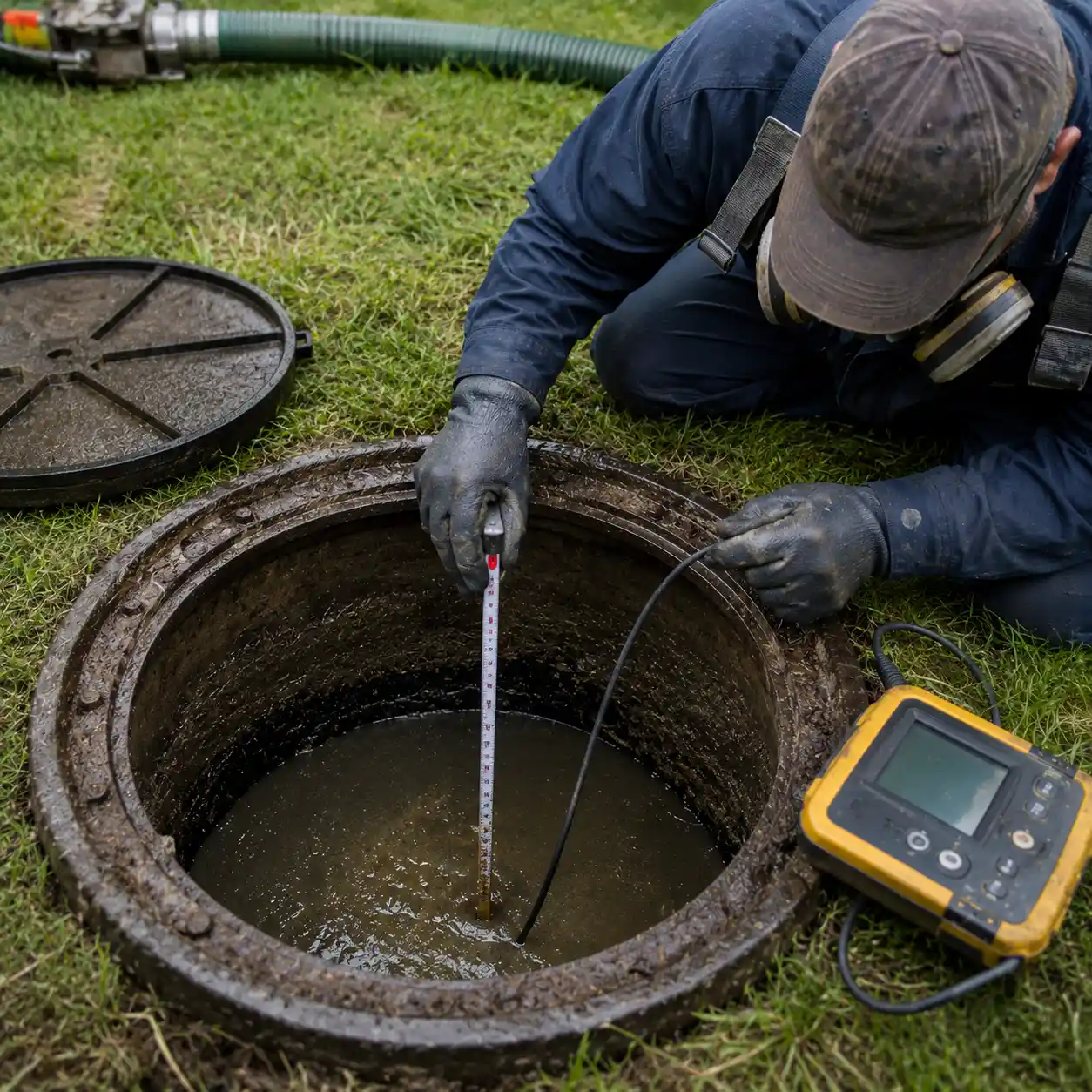
Inspection Questions We Hear Often
Not by state law, but many buyers and lenders request one as part of due diligence, and it’s common practice in Buncombe County real estate deals. Having one done before listing can prevent surprises during someone else’s timeline.
We give you a written estimate for the repair, which typically becomes part of buyer-seller negotiations. Most issues we find during real estate inspections are fixable without a full system replacement.
Yes, if requested. A dye test can help confirm whether a drain field is actually failing versus just showing surface wetness from another cause, like poor grading.
Our written reports cover the details typically requested for closing — tank condition, capacity, and drain field assessment. If your lender or attorney needs a specific form filled out, let us know and we’ll handle it directly.
We locate it as part of the inspection using probing and knowledge of typical placement for the home’s age and layout — it adds some time but is a routine part of inspecting older properties.
Inspection Service Across Four WNC Counties
We handle real estate and routine inspections throughout Buncombe County and the closer parts of Henderson, Madison, and Haywood counties.
Send your address and closing date through the form and we’ll confirm whether we can hit your timeline.
- Asheville and all of Buncombe County
- Fletcher — Henderson County
- Mars Hill — Madison County
- Waynesville — Haywood County
Other Septic Services We Offer
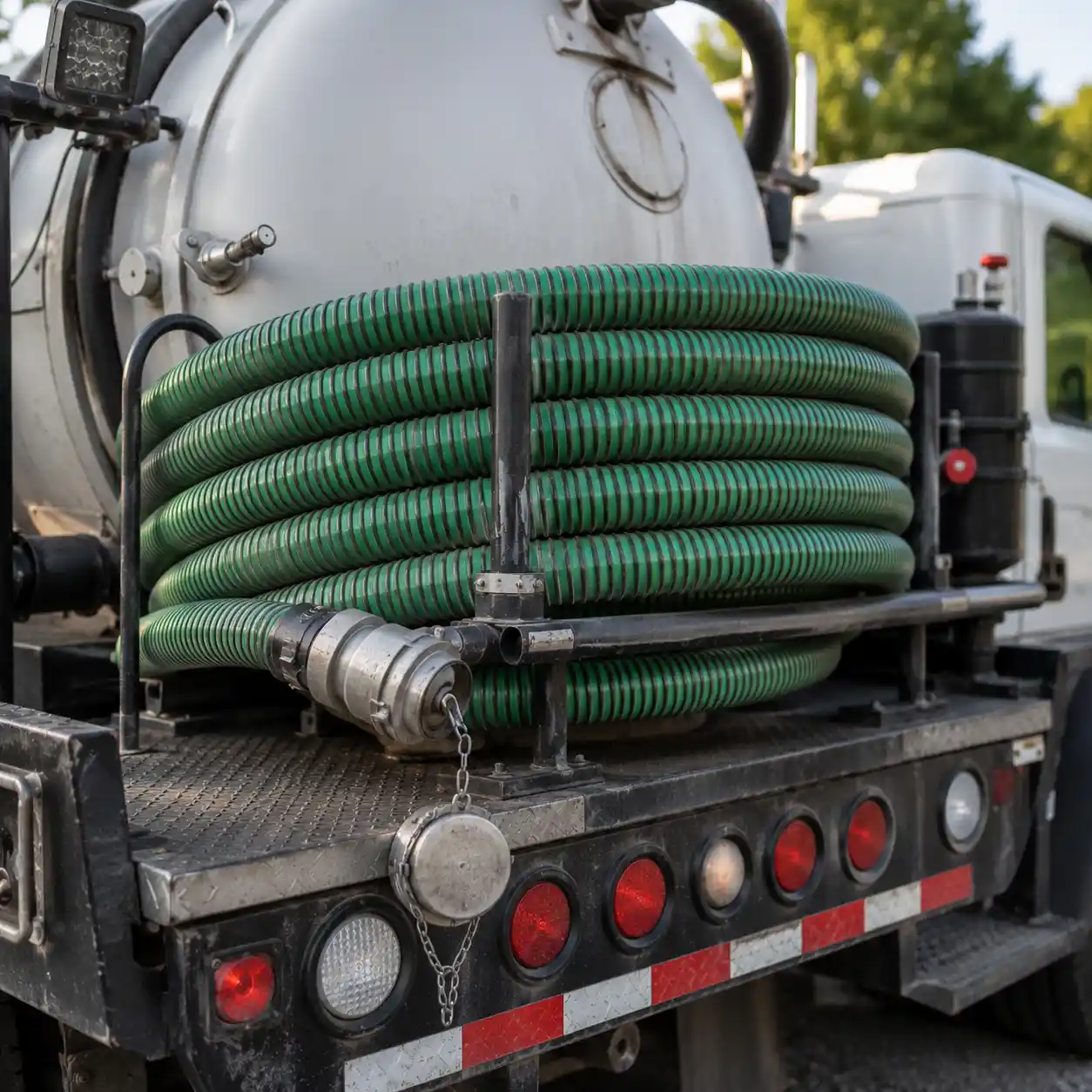
Septic Tank Pumping
If the inspection finds a tank that’s due, we can pump it during the same visit.
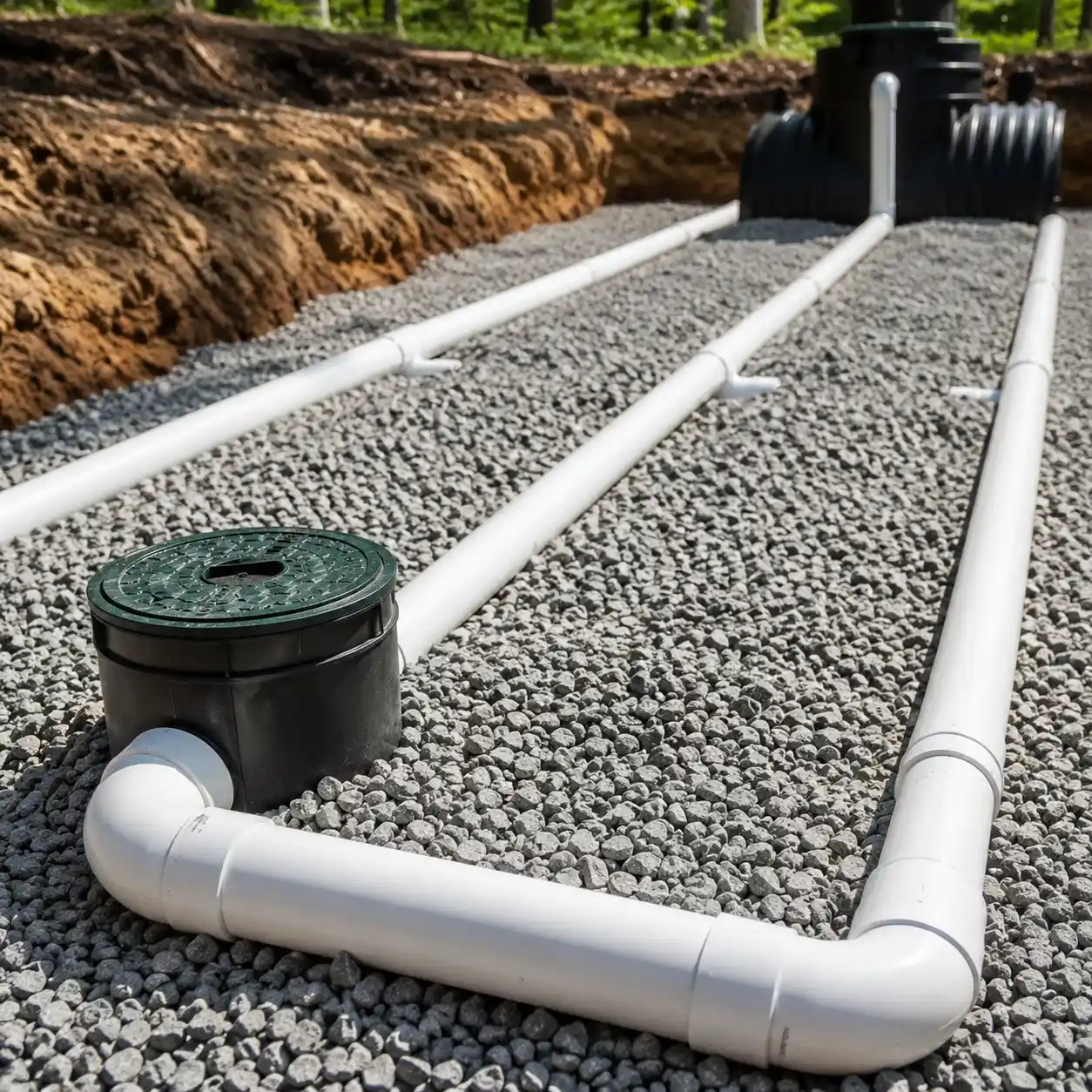
Drain Field Services
For any field issues an inspection turns up, from minor repairs to full evaluation.
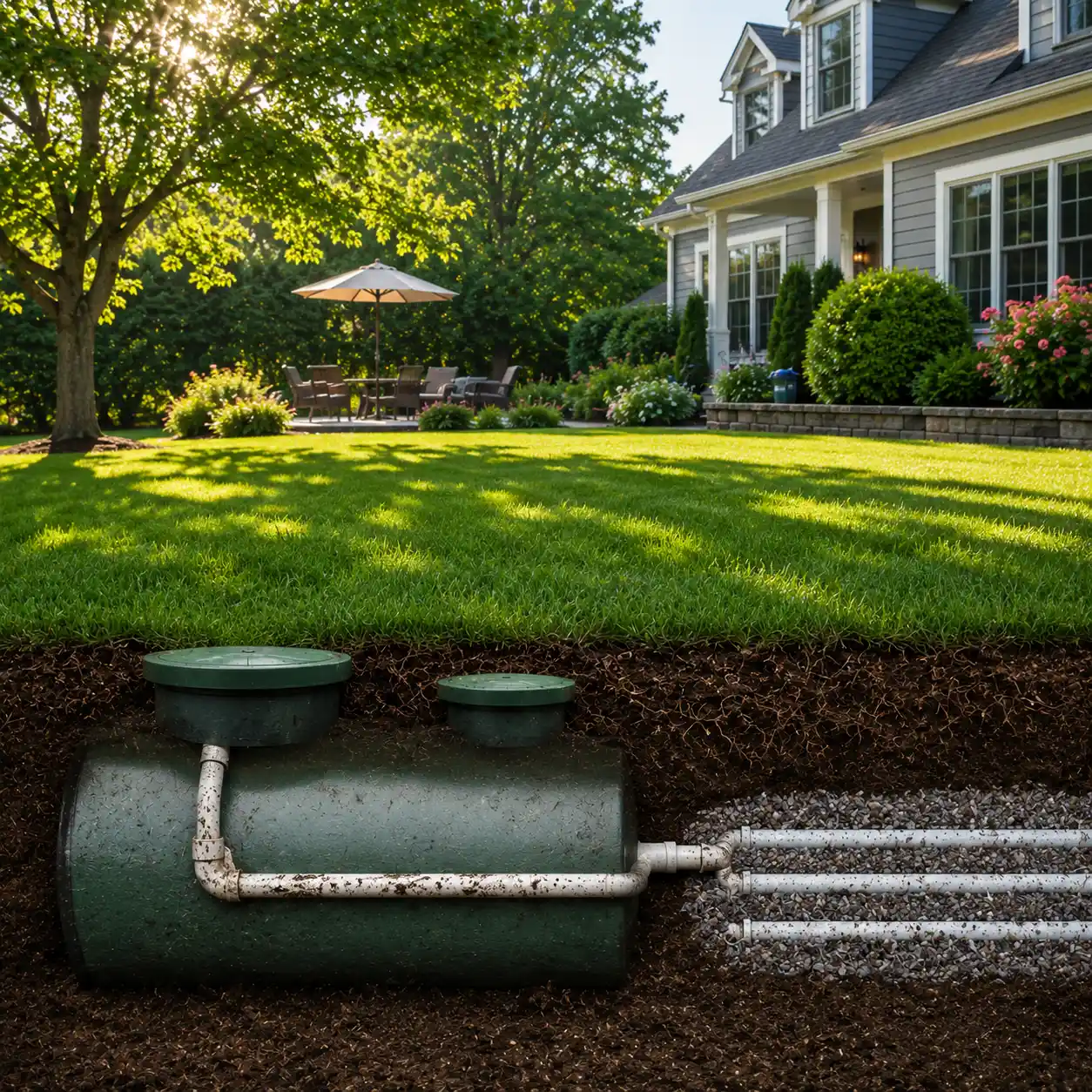
Septic System Installation
If a system is beyond repair, we can walk you through what a replacement involves.
Book Your Inspection
Whether it’s tied to a closing date or just an honest check on an older system, fill out the form and we’ll get it scheduled.
- Tank & drain field evaluation
- Written report
- Real estate timeline support
- Dye testing on request
- Capacity vs. bedroom count check
- Repair estimates if needed
Tell Us About Your Needs
We’ll reach out to confirm your appointment details.