Drain Field Repair in Asheville, NC
Steep lots and shallow bedrock make drain field problems more common around here than in flatter parts of the state. We dig test pits before recommending anything, so you know whether you need a repair or a full replacement — not just our guess.
Built for Slope & Ledge
Repair-First Approach
Schedule a Field Evaluation
How a Drain Field Actually Works — and Why Ours Are Different
Effluent leaving the septic tank flows into a network of perforated pipes buried in gravel-filled trenches. As it moves through the pipe, it seeps into the surrounding soil, where naturally occurring bacteria filter out contaminants before the water eventually rejoins groundwater. The whole system depends on that soil having enough depth and porosity to actually absorb the volume of water it receives.
When soil doesn’t have enough usable depth — which describes a lot of Buncombe County lots sitting on shallow granite or gneiss — the field has nowhere for effluent to go once it exceeds what the available soil can absorb. Instead of filtering down and away, it backs up, saturates the trench, and eventually surfaces at ground level or backs up into the house through the plumbing.
Because of that shallow-bedrock reality, we see more field problems tied to under-designed original systems on this terrain than we would on flat, deep-soil properties elsewhere in the state. A field that was undersized for the lot’s actual soil depth when it was installed decades ago is a common root cause we find during diagnosis.
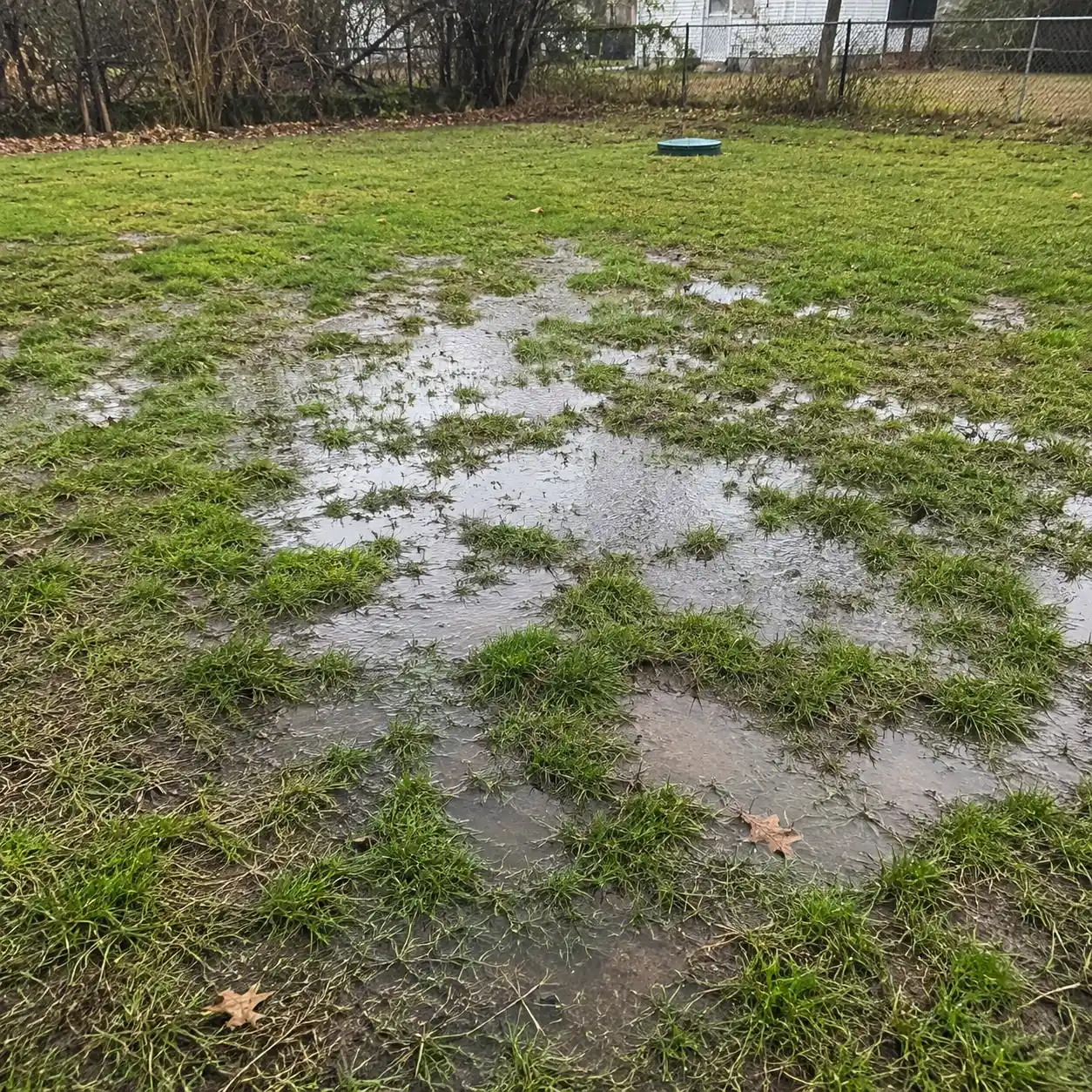
How We Diagnose and Fix a Drain Field
Diagnosis first, repair recommendations second.
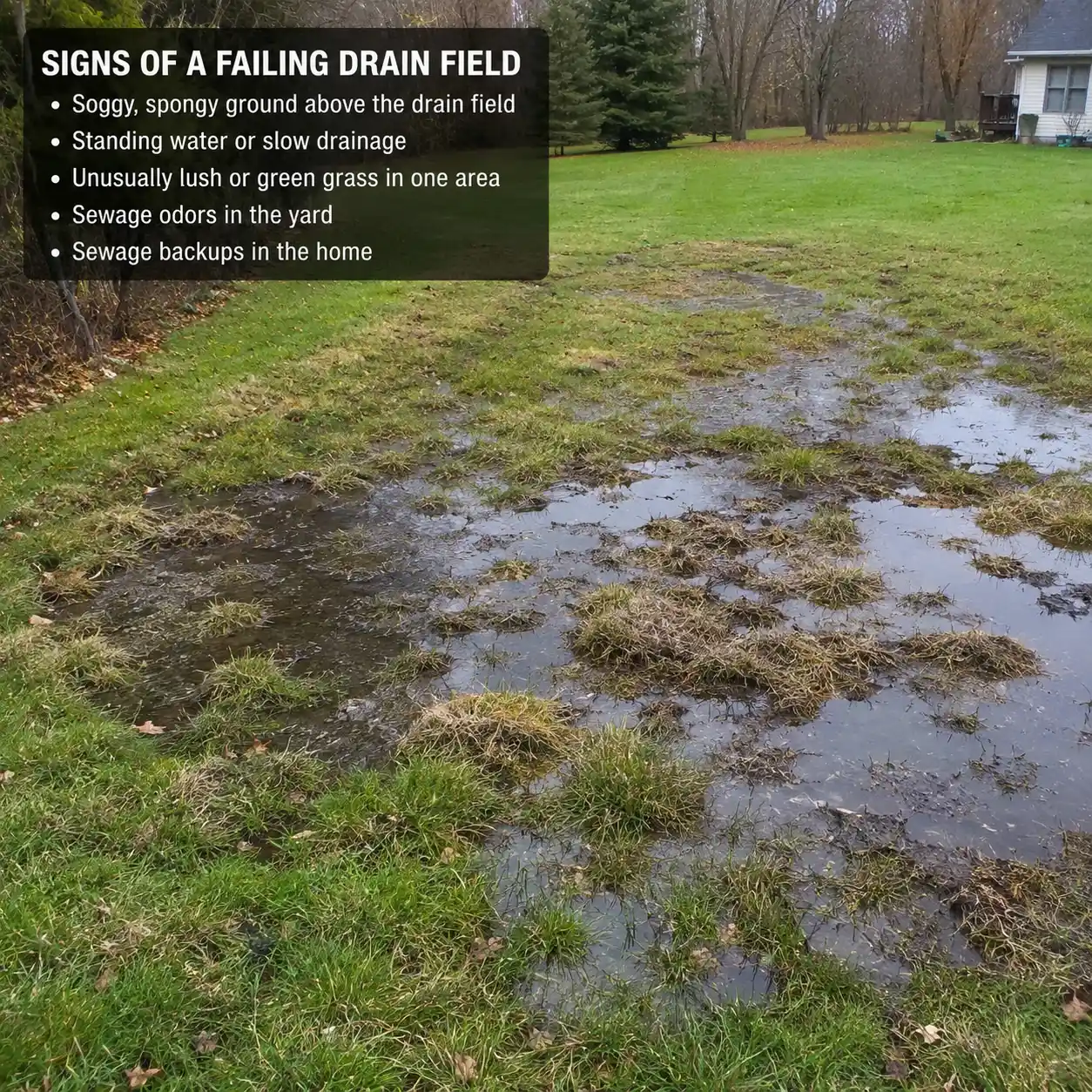
Signs Your Drain Field Needs Attention
The drain field usually shows problems before the tank does. Watch for:
- Standing water or a soggy patch anywhere over the field
- Grass that’s noticeably greener or more lush in one specific area
- A sewage smell outdoors, particularly after rain
- Slow drains throughout the house that pumping alone didn’t fix
- Sewage backing up into the lowest drain in the house
That last one especially — a backup after the tank’s already been pumped and confirmed empty — usually points to the drain field rather than the tank itself.
From Symptom to Diagnosis to Fix
You Describe What You’re Seeing
Tell us the symptoms, even if you’re not sure what they mean.
We Dig Test Pits
Typically 2 to 4 pits across the field, which takes about an hour depending on access.
We Diagnose the Actual Cause
Distribution issues, a damaged line, or genuine soil saturation each get treated differently.
You Get Repair-vs-Replace Options
A clear recommendation with cost for each path, not just the most expensive one.
Common Drain Field Problems and What They Usually Mean
A rough guide to what different symptoms tend to point toward — actual diagnosis always requires an on-site look.
These are patterns we see often, not guarantees — test pits confirm what’s actually happening on your property before we recommend anything.
Drain Field Work for Commercial Properties
Commercial drain fields handle more consistent volume than residential ones and are often older, original-design systems that weren’t built with current usage in mind.
We see field issues most on commercial properties where usage grew over time — a small office that added staff, a business that expanded hours — without anyone reassessing whether the original field could keep up.
If a field expansion isn’t practical on a tight commercial lot, an engineered solution like a pressure-dosed system can sometimes fit more capacity into the same footprint.
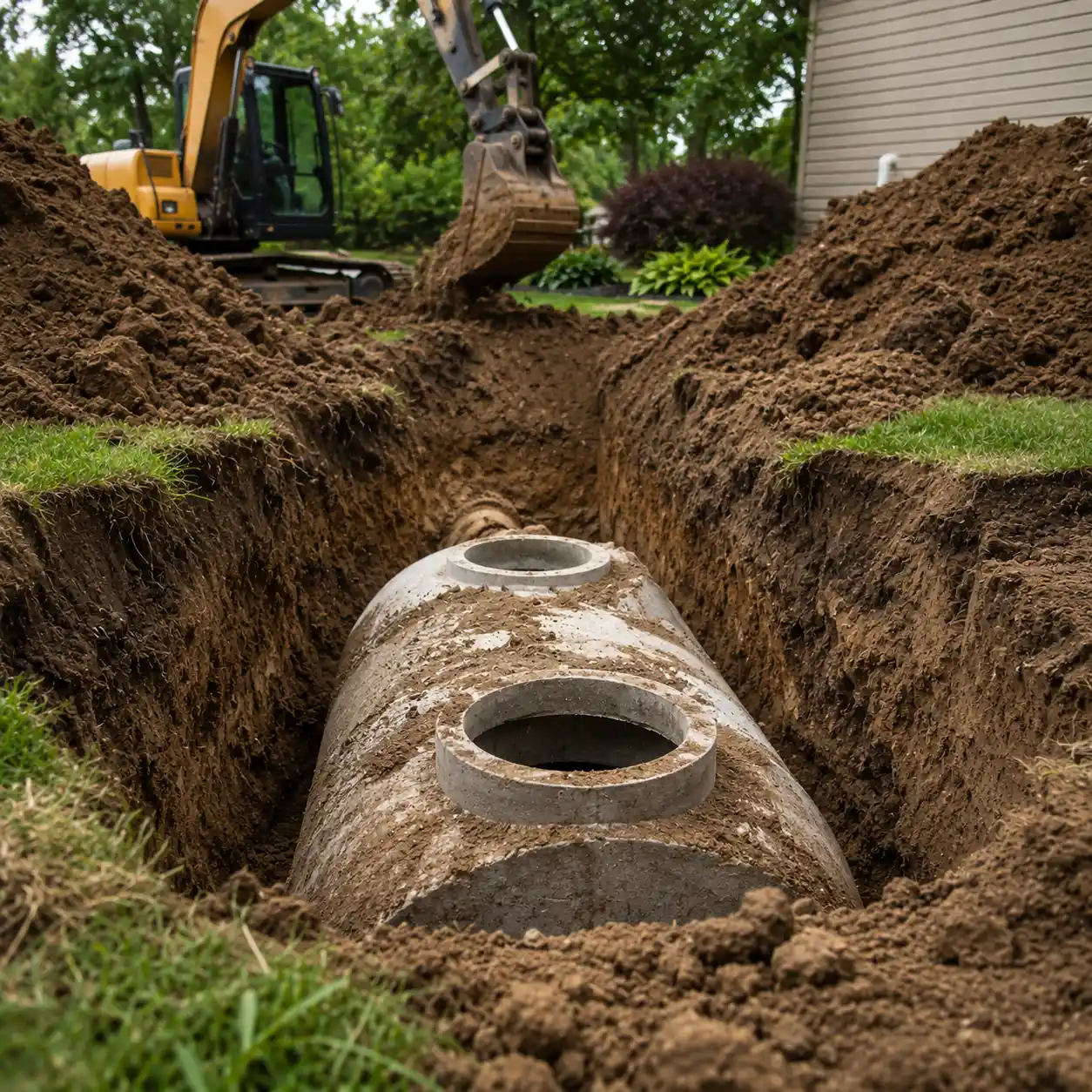
Drain Field Questions We Hear Often
Repair is almost always less expensive than full replacement, which is exactly why we dig test pits first — jumping straight to a replacement quote without diagnosing the actual cause can mean paying for more work than the property needs.
Usually yes for minor repairs, though we may recommend reducing water use in the meantime if the field’s already stressed. Full replacements sometimes require temporary reduced use during construction.
Test pits tell us where the saturation is and how deep it goes, which usually makes the answer clear. A single failed distribution box is a repair; soil that’s genuinely out of usable capacity across the whole field usually means expansion or replacement.
If a specific tree caused the intrusion, we’ll flag it — sometimes root barriers, or in some cases removing growth close to the field line, are part of a lasting fix rather than just clearing the immediate blockage.
Typically not, since it’s usually classified as a maintenance issue rather than sudden damage, though it varies by policy. Worth checking with your insurer, but plan on this being an out-of-pocket repair in most cases.
Drain Field Service Across Buncombe and Neighboring Counties
We diagnose and repair drain fields throughout Buncombe County and the closer parts of Henderson, Madison, and Haywood counties — including plenty of steep, shallow-soil lots that need more than a standard design.
Send us your address and what you’re noticing, and we’ll let you know what a visit looks like for your property.
- Asheville and all of Buncombe County
- Fletcher — Henderson County
- Mars Hill — Madison County
- Waynesville — Haywood County
Other Septic Services We Offer
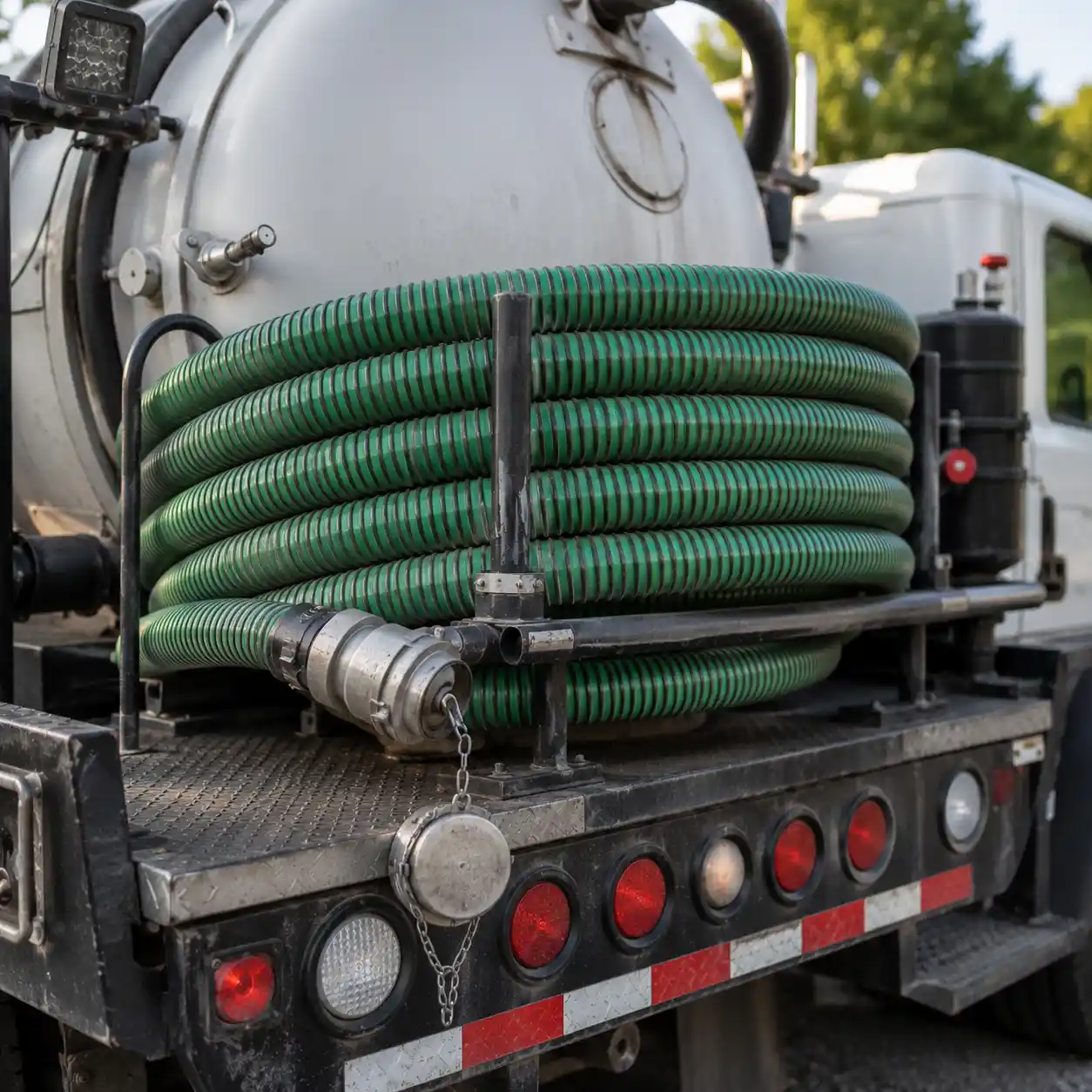
Septic Tank Pumping
Confirming the tank isn’t the source of a symptom is often step one before assessing the field.
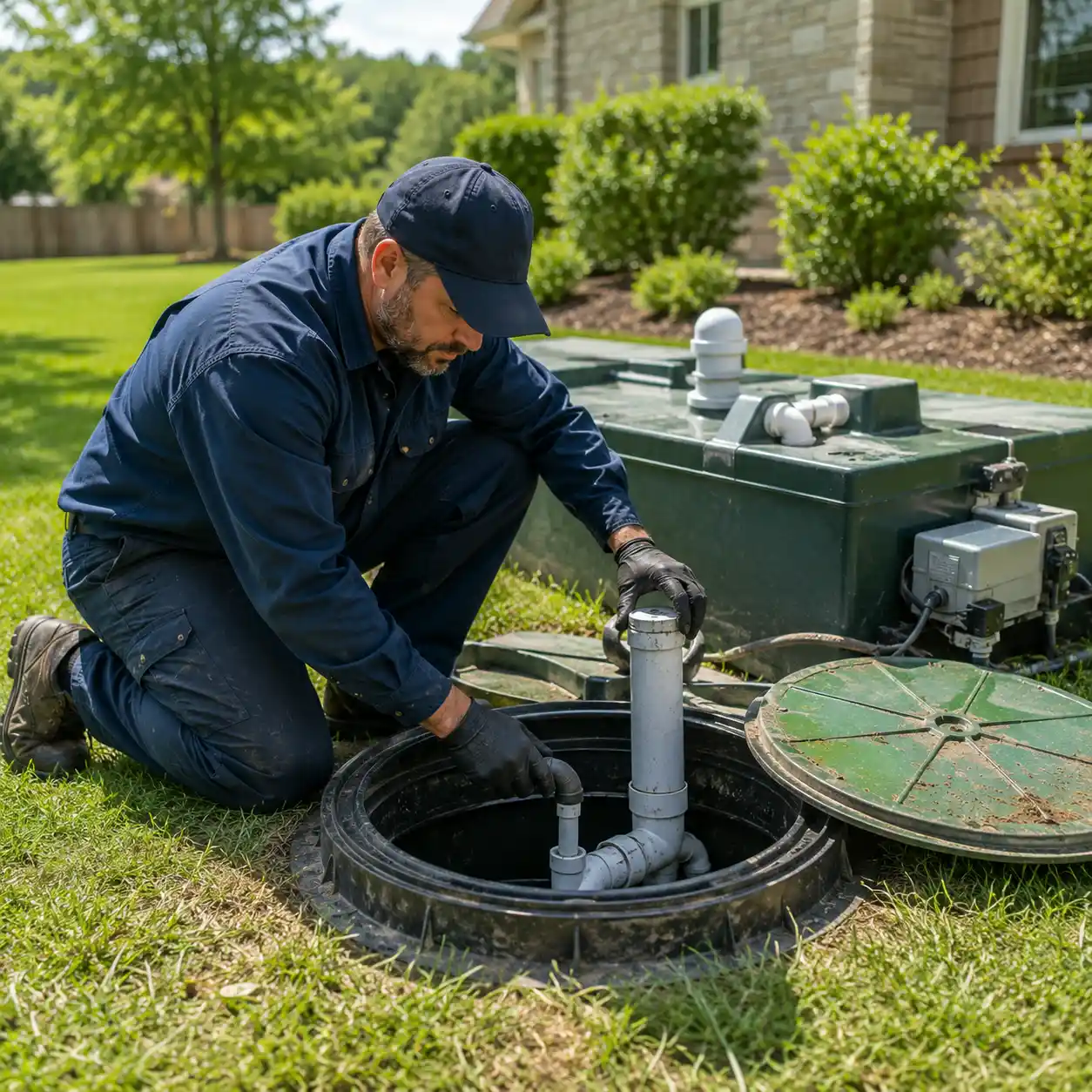
Septic Inspections
A full inspection covers both tank and field if you want a complete picture.

Septic System Installation
If a field needs full replacement, this is where a new design comes in.
Get Your Drain Field Diagnosed Properly
Whether it’s a wet spot in the yard or a full-blown backup, fill out the form and we’ll get test pits scheduled.
- Test pit diagnosis
- Distribution box repair
- Line clearing & repair
- Field expansion when needed
- Engineered system design
- Written repair-vs-replace options
Tell Us About Your Needs
We’ll reach out to confirm your appointment details.