Sewage Backing Up Into the Tub or Toilet: What to Do Right Now
Sewage backing up into a tub, shower, or toilet is one of the few plumbing problems worth treating as an actual emergency. Here’s exactly what to do in the first few minutes, and what typically causes it.
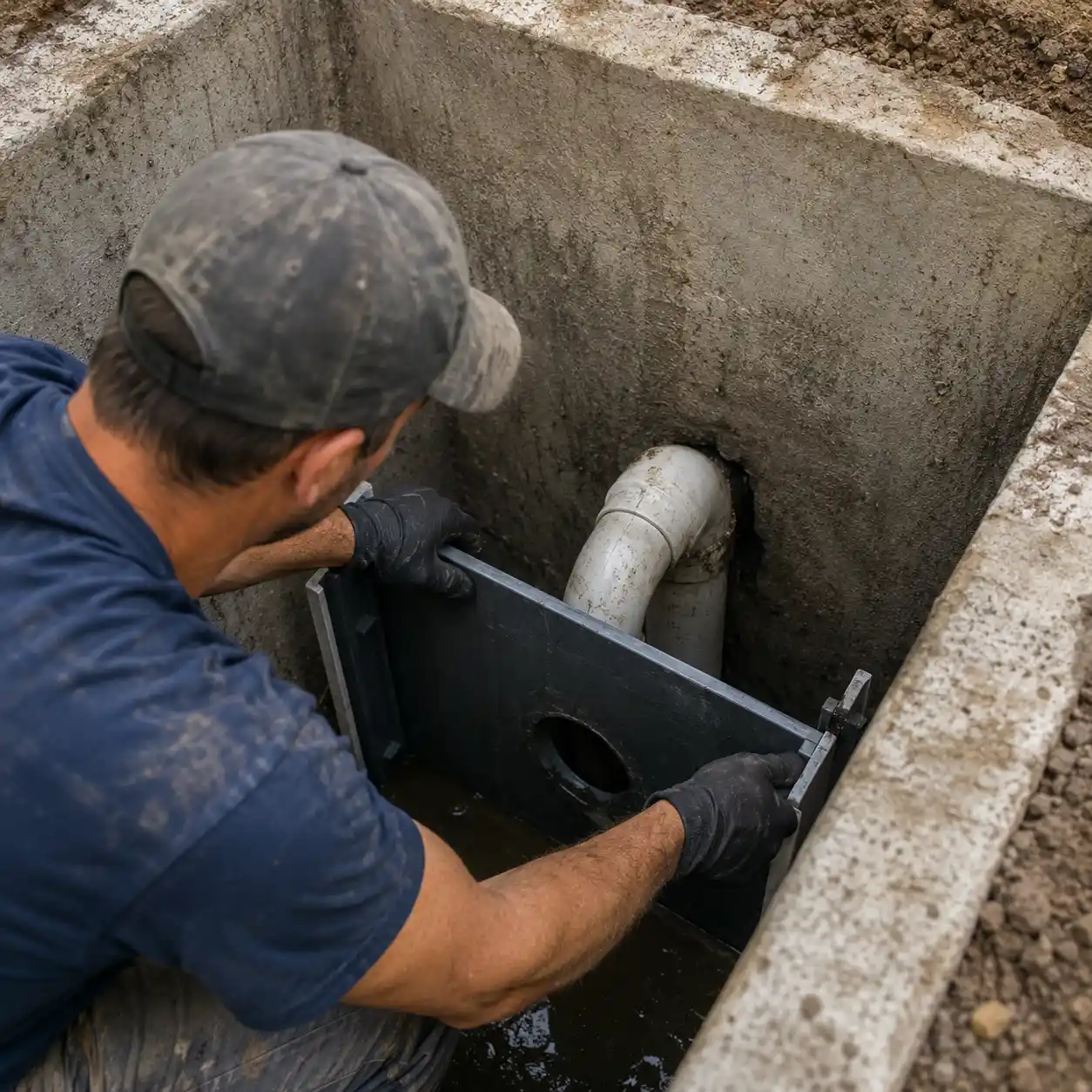
This Is the One Symptom That Doesn’t Wait
Most septic symptoms — a slow drain, a faint odor, a slightly soggy patch in the yard — are worth addressing soon but rarely require dropping everything. An actual backup, where sewage is coming up into a tub, shower, toilet, or floor drain instead of going down, is different. It means the system has nowhere left for wastewater to go, and every additional flush or drain makes the situation worse rather than better.
If this is happening in your house right now, the immediate steps below matter more than understanding the cause — you can figure out why afterward. Here’s what to do, in order.
Try to stay calm and work through the steps methodically rather than all at once. A backup is stressful, especially the first time it happens, but the actual sequence of what needs to happen is straightforward, and most of it is about stopping things from getting worse rather than fixing anything yourself in the moment.
Step 1: Stop Using Water Immediately
The single most important thing you can do is stop adding water to the system — no more flushing, no running the sink, no showers, no laundry, no dishwasher. Every gallon that goes down a drain right now has to go somewhere, and if the system’s already backed up, that somewhere is back into your house through the lowest, most vulnerable fixture.
This includes fixtures on every level of the house, not just the one where you’re seeing the problem. A backup at a basement floor drain, for example, can still be made worse by running water upstairs, since it all ends up in the same system.
Step 2: Identify Where the Backup Is Happening
Take note of exactly which fixtures are affected — is it just the lowest drain in the house, or is it happening in multiple places? A backup limited to the single lowest fixture, often a basement floor drain or a ground-floor shower, suggests a full tank or field with nowhere else for water to escape except gravity’s easiest path. Backup at multiple points, especially higher in the house, can indicate a more significant blockage or a broader system failure.
Step 3: Avoid Contact With the Sewage
Sewage backup carries bacteria and pathogens that pose a real health risk. Keep children and pets away from the affected area, avoid direct contact, and if any cleanup is needed before help arrives, wear gloves and wash thoroughly afterward. Don’t attempt to use a wet vacuum or regular household tools on standing sewage without appropriate protection — it’s not worth the exposure risk to save a few minutes.
Step 4: Turn Off the Pump, If Your System Has One
If your system includes a pump chamber — common on many Buncombe County properties given the terrain — and you know where the breaker or switch is, turning it off can prevent the pump from continuing to push water into an already-overwhelmed system. If you’re not sure whether your system has a pump or where the switch is, skip this step rather than guessing at electrical components you’re unfamiliar with.
Step 5: Call for Service
A backup is exactly the kind of situation worth calling about right away rather than waiting for a routine appointment slot. Describe what you’re seeing — which fixtures, how much water, whether it’s ongoing or seems to have stopped — so whoever responds knows what to expect and can bring the right equipment on the first trip.
Step 6: Document What You Can, If It’s Safe To
If there’s any damage to flooring, walls, or belongings from the backup, a few photos before cleanup begins can be useful — for your own records, and in case the situation involves an insurance claim or a real estate dispute if this happened shortly after a purchase. This isn’t the priority in the moment, but it’s worth doing if it’s quick and doesn’t put you in contact with contaminated water.
Step 7: Keep Kids and Pets Away Until It’s Fully Resolved
Even after the immediate water flow stops, residual contamination can remain on surfaces until they’re properly cleaned and, if needed, disinfected. Treat the affected area as off-limits — closing the door, blocking access, whatever’s practical for your layout — until either the situation is fully resolved or a professional has told you it’s safe to resume normal use of that space.
Dealing With a Backup Right Now?
Tell us what’s happening and we’ll help you figure out next steps.
Request Service
Serving Asheville and all of Western North Carolina.
What Usually Causes a Full Backup
A true backup — as opposed to a slow drain — usually means one of a few things has reached a breaking point: a tank that’s gone years past its pumping interval and is completely full, a drain field that’s stopped absorbing effluent entirely, a main line blockage that’s cutting off flow completely rather than partially, or, on a pump-equipped system, a pump failure combined with continued water use that’s overwhelmed the chamber.
It’s rarely a sudden, out-of-nowhere event — usually there were warning signs beforehand, even if they were easy to miss: slower drains over the preceding days or weeks, a faint odor, or an alarm that went off and got silenced without being addressed. If any of that sounds familiar looking back, it’s useful information for whoever diagnoses the actual cause.
Timing can also be a clue. A backup that shows up during or right after a heavy rain, on a property where this hasn’t happened before, often points toward a drain field that’s normally fine but gets pushed past its limit when the surrounding soil is already saturated. A backup with no obvious weather connection is more likely tied to the tank, a line blockage, or a pump issue rather than the field’s interaction with rainfall.
After the Immediate Problem Is Handled
Once the backup itself is resolved — pumped, cleared, or repaired depending on the cause — it’s worth having an honest conversation about what led to it and whether it’s likely to happen again without some kind of change. A one-time overload from an unusual event is different from a system that’s chronically undersized or overdue for a fix it’s been putting off.
Cleanup of affected areas, especially flooring or drywall that came into contact with sewage, may need professional restoration depending on severity — that’s a separate service from the septic repair itself, but worth planning for if the backup was significant.
If this is the first time it’s happened and you’re not entirely sure whether the underlying cause was fully addressed, it’s reasonable to ask directly. A repair should come with a clear explanation of what caused the backup and why the fix addresses that specific cause — not just confirmation that the immediate blockage or overflow is gone. Understanding the “why” is what actually prevents a repeat of the same emergency a few months down the road.
Get Emergency Backup Service
If sewage is backing up into your home right now, fill out the form with what you’re seeing and we’ll help you figure out next steps.
- Emergency pumping
- Main line diagnosis
- Pump & chamber repair
- Drain field evaluation
- Straightforward repair recommendations
- Serving all of Buncombe, Henderson, Madison & Haywood counties
Tell Us About Your Needs
We’ll reach out to confirm your appointment details.