Septic System Installation in Asheville, NC
New installs on Buncombe County’s mountain lots often call for engineered systems instead of a standard gravity field, thanks to slope and shallow bedrock. We handle site evaluation, design, and permitting so the system actually fits the property it’s going on.
Permitting Handled for You
Site Evaluation Before Design
Request an Installation Quote
Why Installation Around Here Isn’t a One-Size Design
Before any system gets designed, the site has to be evaluated — soil type and depth, slope, distance to wells and water sources, and where on the property a system can actually be built. That evaluation determines everything downstream: whether a standard gravity-fed field will work, or whether the site needs a pump chamber, pressure-dosed distribution, or a sand-lined field to compensate for limited usable soil.
Installing the wrong system type for a site — or squeezing a standard design onto ground that can’t support it — is exactly how you end up with a drain field failing within a few years instead of lasting decades. The extra cost of an engineered system upfront is almost always less than the cost of a premature field failure and a second installation.
On a lot of Buncombe County properties, thin soil over granite or gneiss bedrock rules out a standard gravity design before the evaluation’s even finished. We’d rather tell you that upfront and design around it than promise a cheaper system that won’t actually hold up on your specific site.
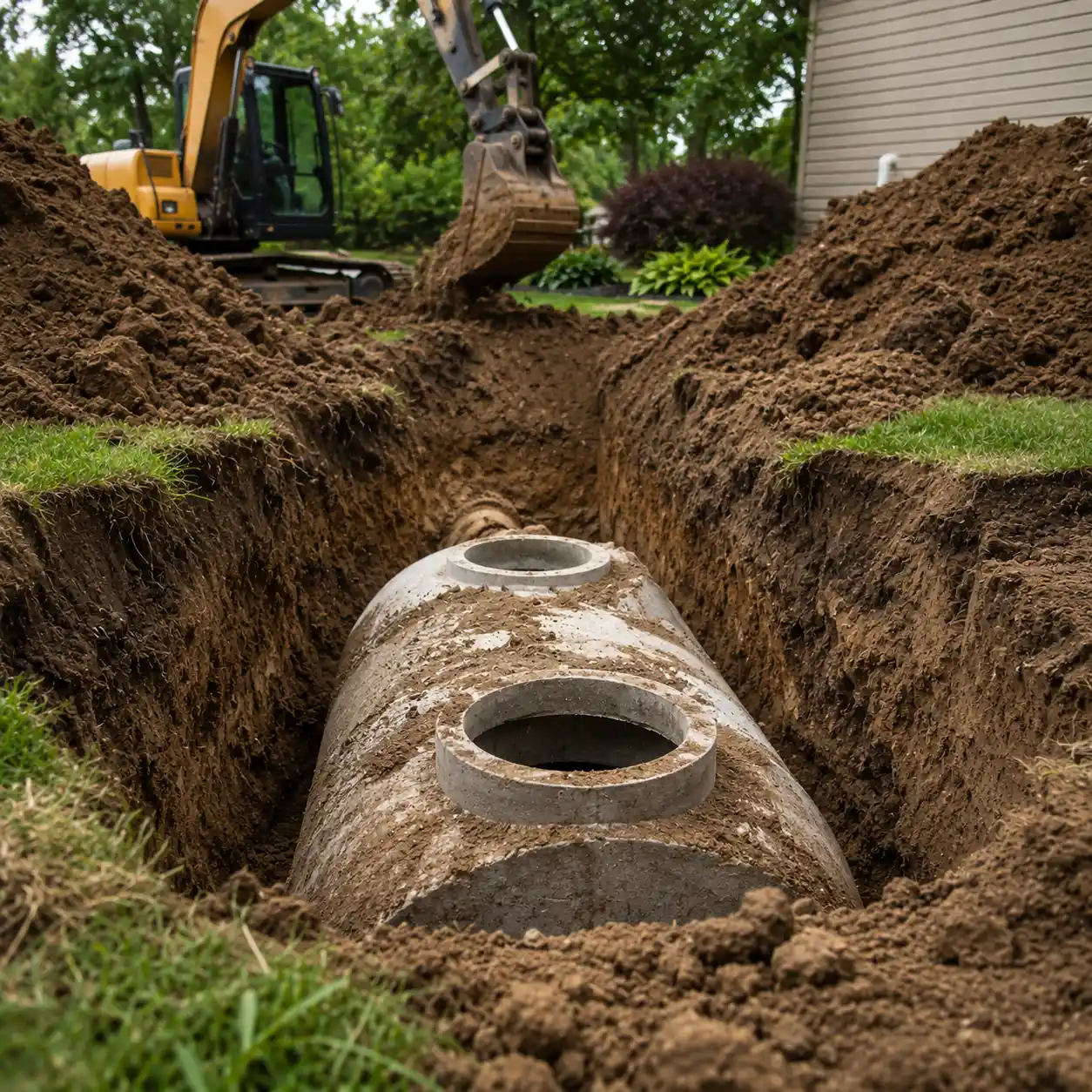
From Site Evaluation to a Finished System
Every step handled, permitting included.
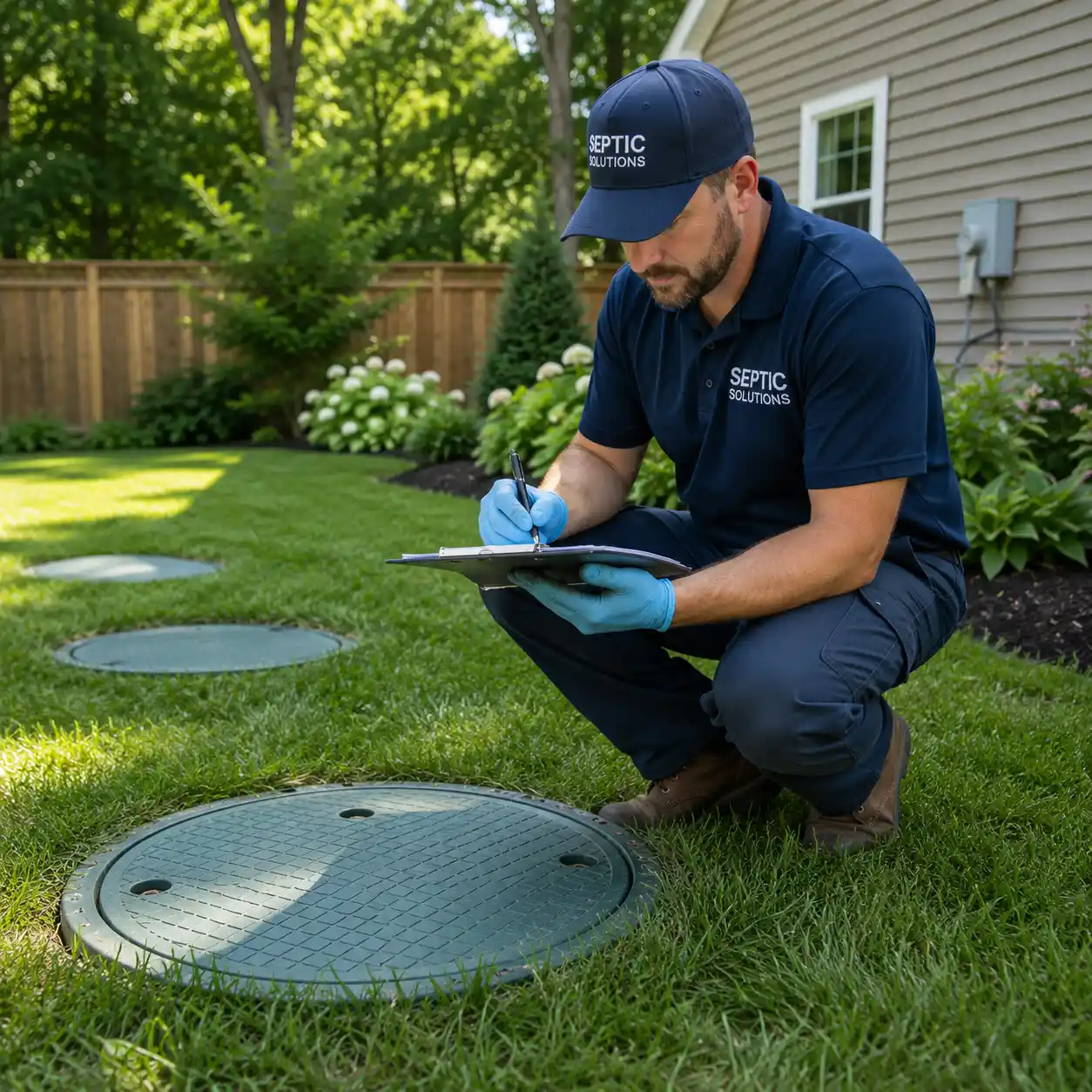
When a New Installation Makes Sense
Not every septic problem calls for a brand-new system, but some situations do:
- Building a new home with no existing septic system on the lot
- An existing system that’s failed beyond what repair can fix
- An old cesspool or straight-pipe system that needs to be brought up to code
- A planned addition or renovation that exceeds your current system’s capacity
- A property where the existing field has run out of usable soil for expansion
If you’re not sure which category you fall into, an inspection can usually tell you before you commit to a full installation quote.
From Site Visit to a Working System
Site Evaluation & Soil Testing
We assess the property and confirm what system type it can support — usually a half-day visit.
Design & Permitting
We submit the design for county approval, which typically takes a few weeks depending on system complexity.
Installation
Once permits are in hand, physical installation usually takes a few days for a standard system, longer for an engineered design.
Final County Inspection
The county signs off before the system goes into service, and we walk you through basic care afterward.
What Drives Installation Cost
System type is the single biggest factor — here’s a general sense of how they compare.
Actual cost also depends on site access, clearing needs, and distance from the house to a buildable location — your site evaluation gives us the specifics.
New System Installation for Commercial Properties
Commercial installs — new restaurants, small offices, multi-unit developments outside municipal sewer lines — go through the same site evaluation and permitting process as residential, but sizing is based on projected occupancy and usage rather than a fixed household count.
We work with contractors and developers early in a project’s planning, since site evaluation results can affect where a building actually gets sited on a lot with limited buildable septic area.
If the property includes a commercial kitchen, we’ll factor grease trap requirements into the design from the start rather than treating it as an afterthought.
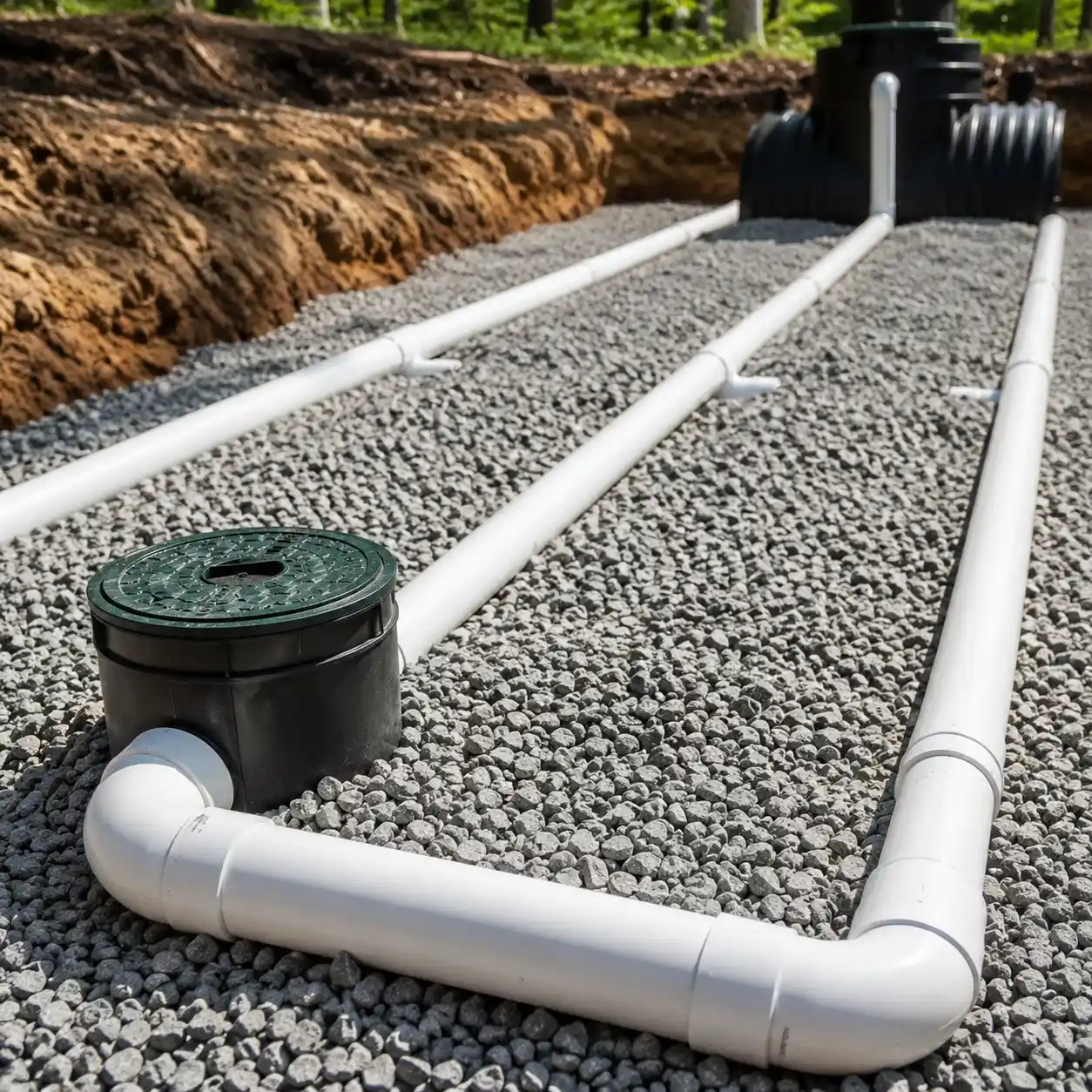
Installation Questions We Hear Often
Plan on several weeks total, mostly driven by permitting timelines rather than the physical installation, which is usually a matter of days once permits are approved. Engineered designs needing additional plan review can add time.
To a degree — but the site evaluation determines where a system can actually be built based on soil, slope, and setback requirements from wells, property lines, and water sources. We’ll work with your preferences where the site allows it.
That’s common on steep Buncombe County lots, and it’s exactly why we test before designing. We’ll recommend an engineered alternative — pressure-dosed, sand-lined, or another option — sized to what your specific soil can actually handle.
Generally yes, if it adds bathroom fixtures beyond what your current system was permitted for. We can evaluate whether your existing system has capacity or whether the addition needs its own permitted system.
If the existing tank and field are structurally sound and the problem is isolated — a failed distribution box, for example — repair is usually cheaper and faster. Full replacement makes sense when the system’s fundamentally undersized, failing across multiple points, or built to standards that predate current code.
Installation Service Across Buncombe and Neighboring Counties
We design and install septic systems throughout Buncombe County and the closer parts of Henderson, Madison, and Haywood counties, handling permitting through each county’s Environmental Health office.
Send us your property details and we’ll schedule a site evaluation to see what your lot can support.
- Asheville and all of Buncombe County
- Fletcher — Henderson County
- Mars Hill — Madison County
- Waynesville — Haywood County
Other Septic Services We Offer
Drain Field Services
If your existing field just needs repair rather than a full new system, start here.
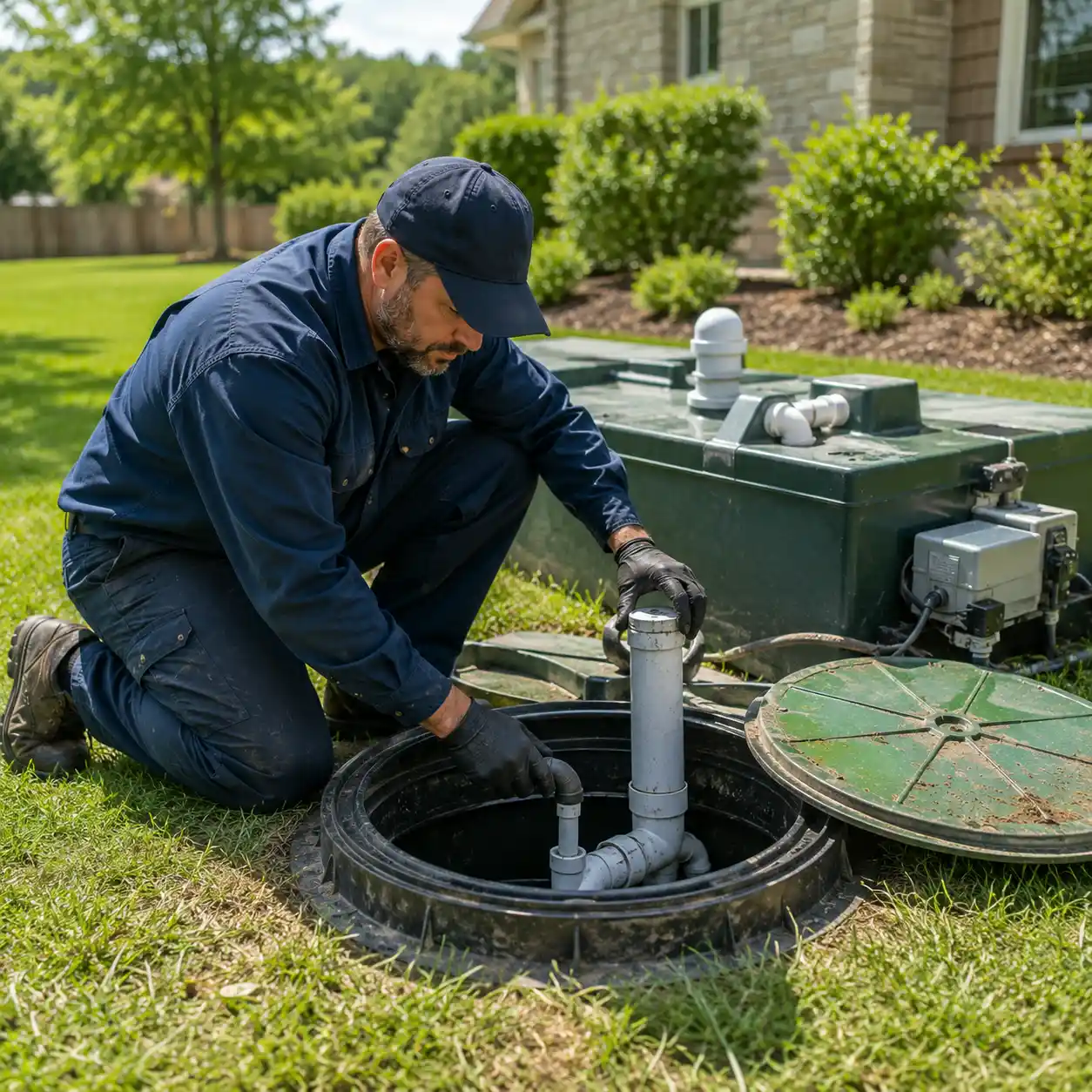
Septic Inspections
Not sure if your current system needs replacing? An inspection can help you decide.
Septic Tank Pumping
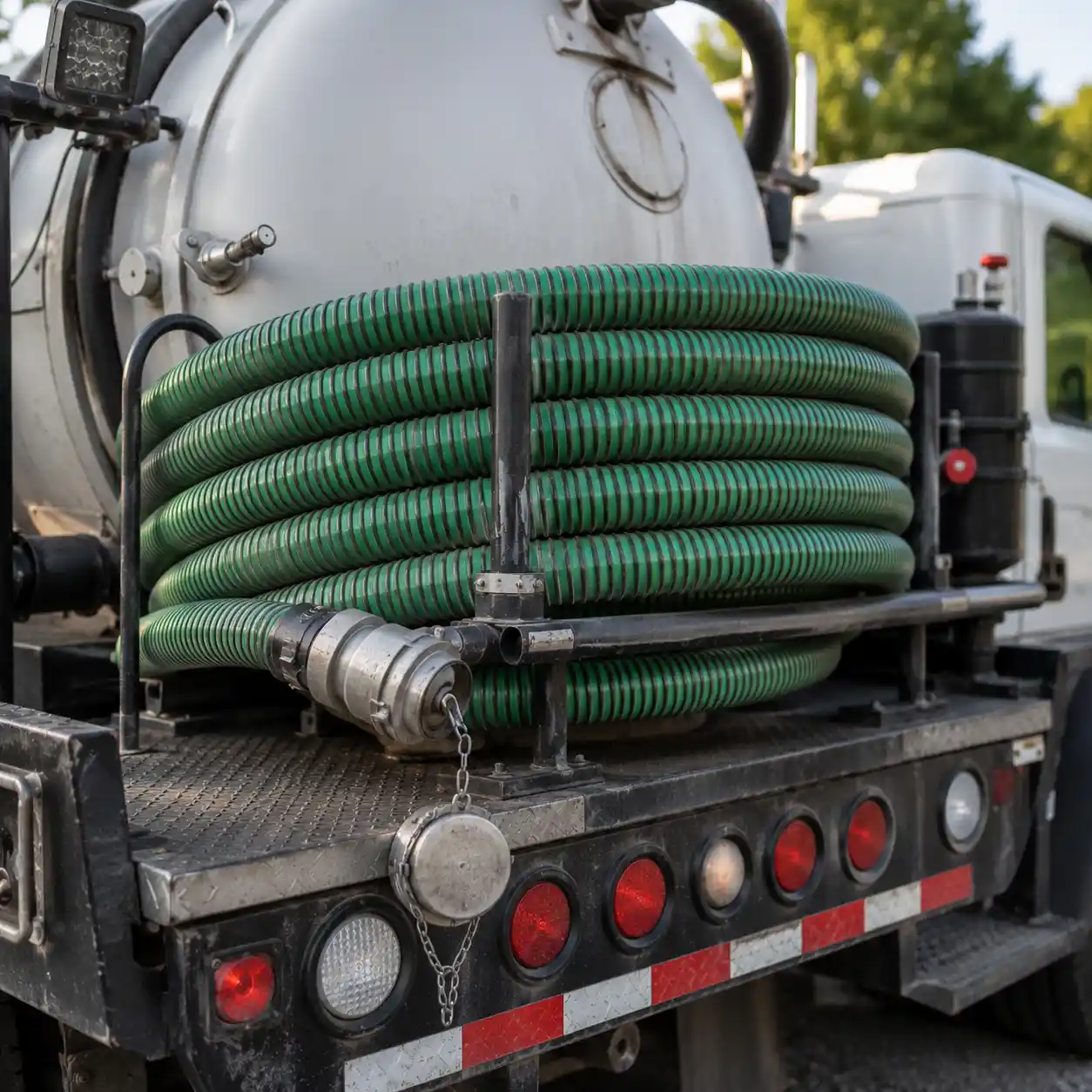
Once your new system’s installed, routine pumping keeps it running the way it’s designed to.
Start With a Site Evaluation
New build, failed system, or an old cesspool that needs to go — fill out the form and we’ll get an evaluation scheduled.
- Site evaluation & soil testing
- Engineered system design
- County permitting
- Full installation
- Final inspection coordination
- Post-install care guidance
Tell Us About Your Needs
We’ll reach out to confirm your appointment details.